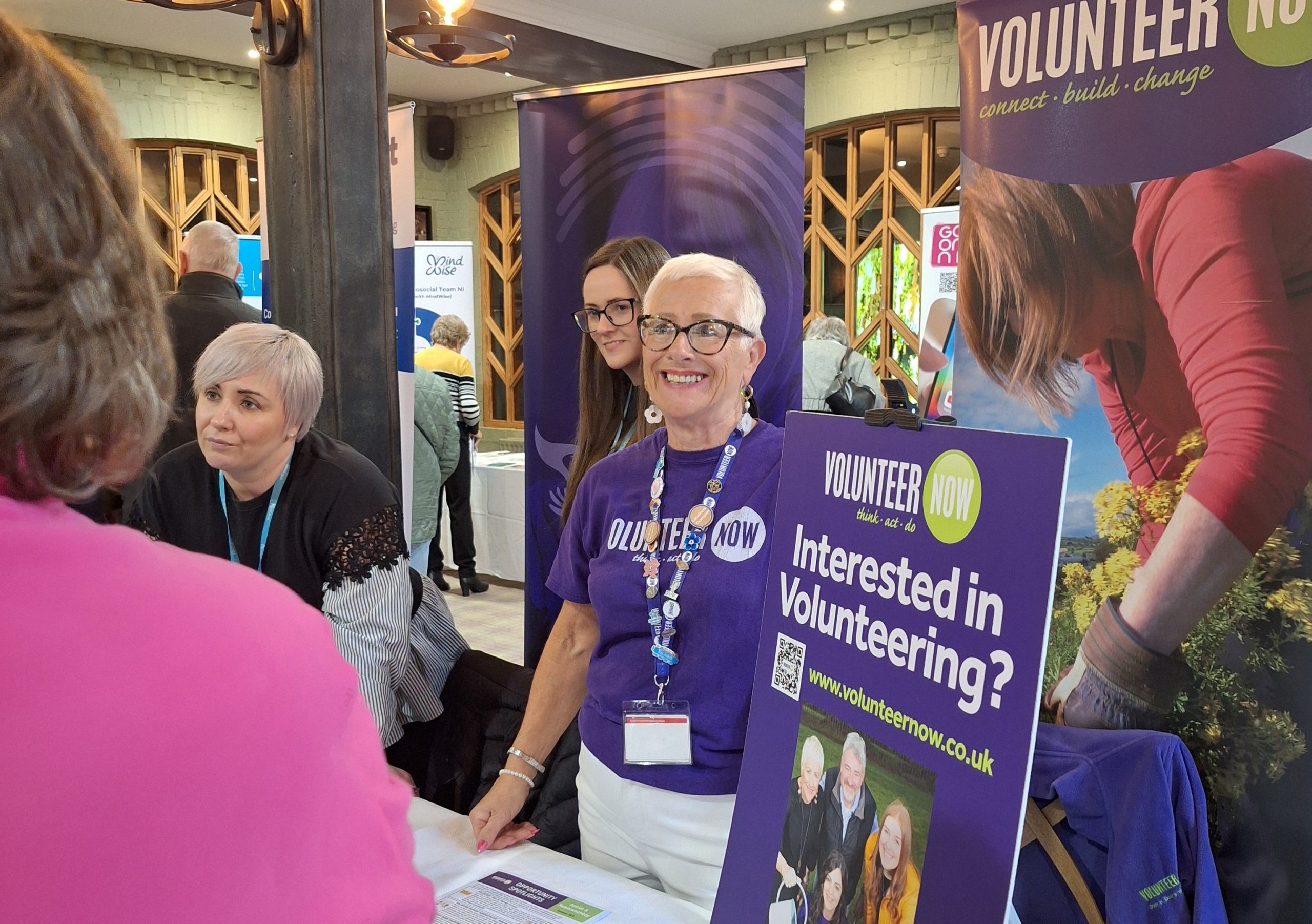
What is volunteering?
Volunteering is freely giving unpaid time and skills to benefit others, beyond close friends or relatives. Volunteers come in all shapes and sizes, genders, ages (children, young people, families, employees, older people), backgrounds, cultures, abilities/disabilities, etc.

Why People Volunteer
People volunteer for many reasons—both to give and to gain. Motivations vary, but often include:
- Giving back and making a difference
- Supporting their community
- Sharing skills and experience
- Boosting wellbeing and confidence
- Making friends and finding purpose
- Learning and improving job prospects
- Strengthening organisations
- Having fun.


Benefits of Volunteering
Volunteering offers a wide range of personal benefits, including:
- Greater happiness and life satisfaction
- Improved mental and physical health
- New skills and experience for employment
- A stronger sense of purpose and belonging
- Opportunities to connect with others and contribute to community life
Principles of volunteering
The following are some of the principles that underpin meaningful high-quality volunteering. It:
- freely chosen and unpaid (without leaving volunteers out-of-pocket)
- safe and supportive
- a chance to use your skills to help others
- an opportunity to learn and grow
- inclusive, accessible, and meaningful
- recognised and valued
- shaped by volunteer voices
- never a replacement for paid staff